Optimal Timing for Tree Removals
Understanding the optimal time for tree removals is essential for safety and efficiency. The timing depends on various factors including tree species, weather conditions, and the purpose of removal. Proper timing can reduce risks and improve the health of surrounding vegetation.
Winter is often considered ideal for tree removals due to dormancy, which minimizes stress on remaining trees and reduces pest activity.
Removals during spring and summer can be more challenging due to active growth, increased sap flow, and higher risk of pest spread.
Fall offers a balance, with trees entering dormancy but still allowing for easier equipment access and less leaf debris.
Dry, cold weather is preferable for removals to prevent equipment slipping and to ensure safer operations.
Tree being removed during winter with snow-covered ground.
Active spring season with foliage and flowering trees.
Tree removal in autumn with colorful leaves.
Ways to make Tree Removals work in tight or awkward layouts.
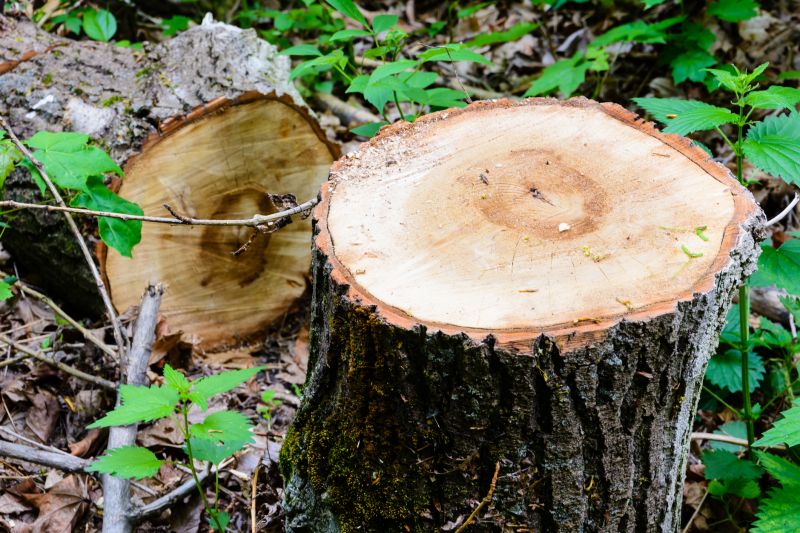
Popular materials for Tree Removals and why they hold up over time.
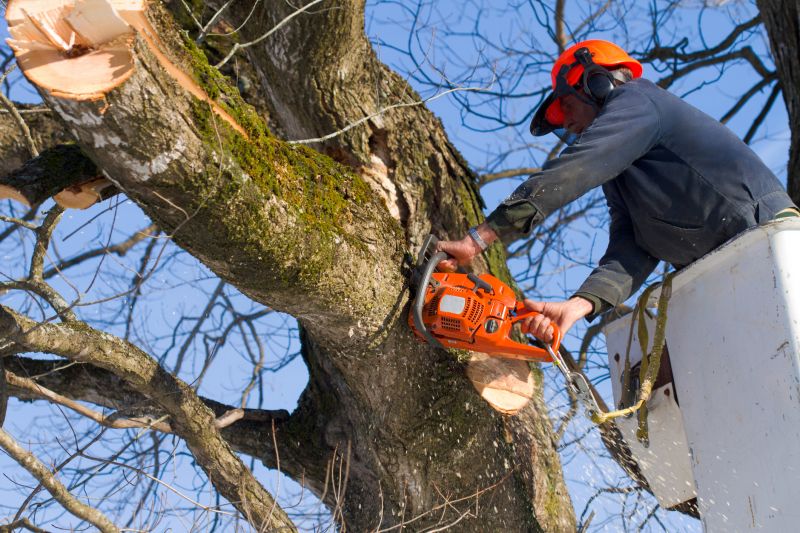
Simple add-ons that improve Tree Removals without blowing the budget.
| Season | Ideal Conditions |
|---|---|
| Winter | Dormant trees, less pest activity, safer for equipment. |
| Spring | Active growth, higher risk, less ideal. |
| Summer | Full foliage, increased sap flow, more challenging. |
| Fall | Pre-dormancy, moderate conditions, good for access. |
Tree removals are often performed to improve safety, prevent property damage, or manage landscape aesthetics. Choosing the right time minimizes disruption and enhances safety. Proper timing also helps in controlling pests and diseases that may spread during certain seasons.
Statistics indicate that the majority of tree removals occur during late fall and winter months. This timing aligns with the trees' dormant phase, reducing stress and facilitating safer, more efficient operations. Additionally, winter removals often result in less impact on surrounding vegetation and landscape features.
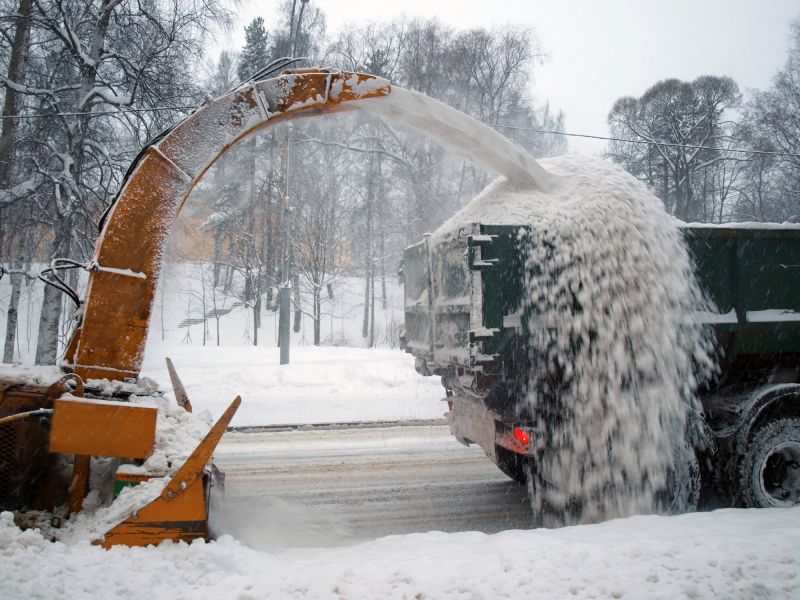
Specialized equipment used during winter removals.
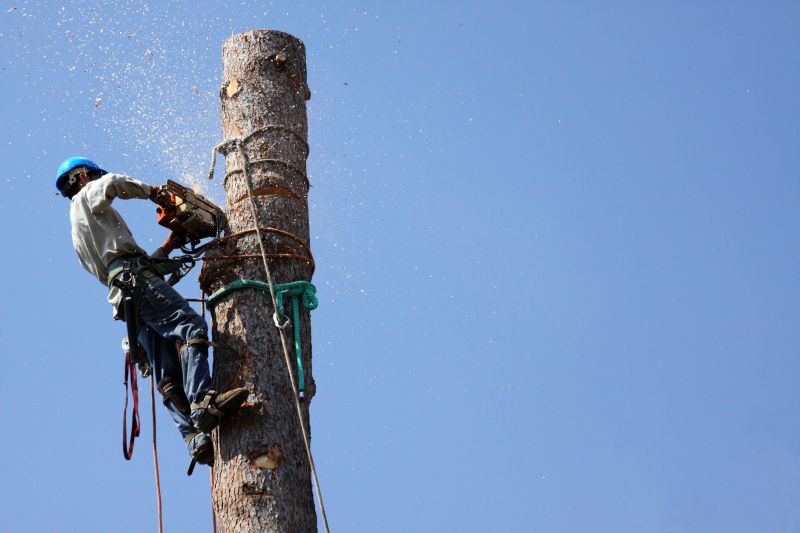
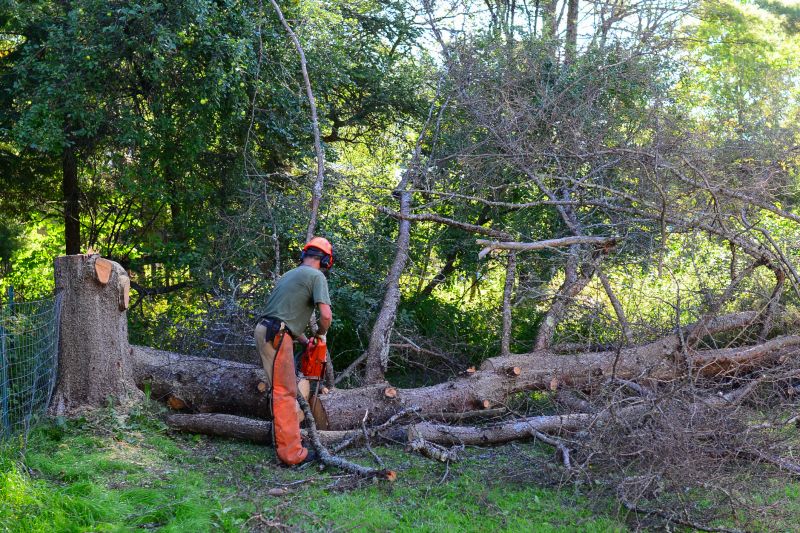
Professional removal process in progress.
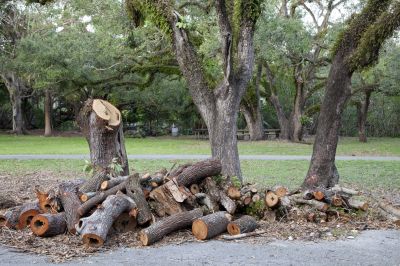
Cleaned-up area after tree removal.
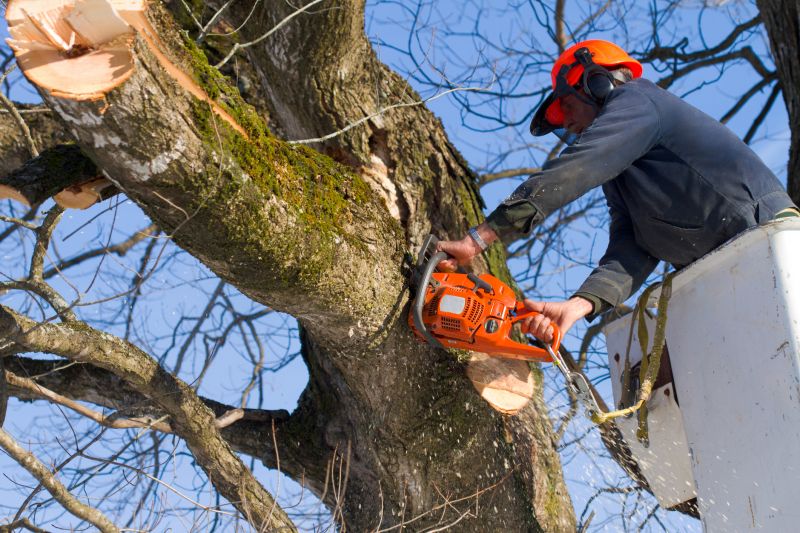
Tree being cut during snowy conditions.
High-end options that actually feel worth it for Tree Removals.
Finishes and colors that play nicely with Tree Removals.
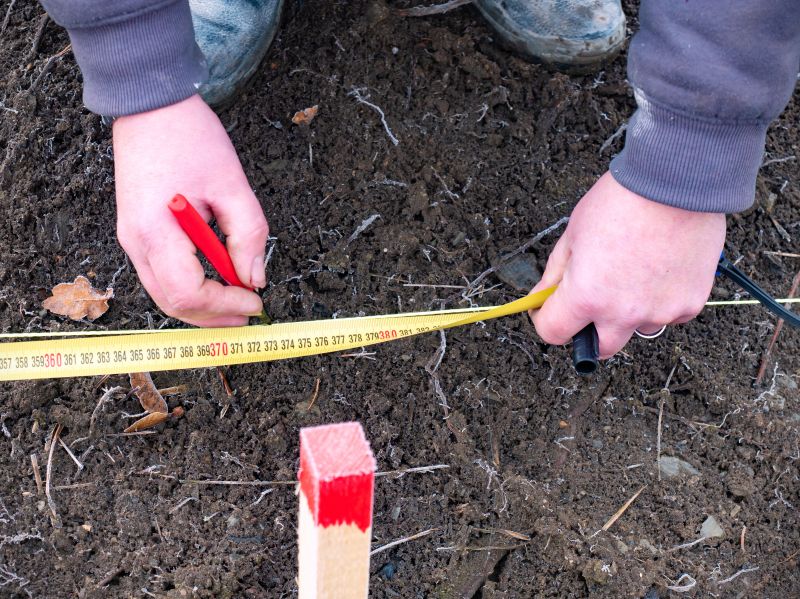
Little measurements that prevent headaches on Tree Removals day.
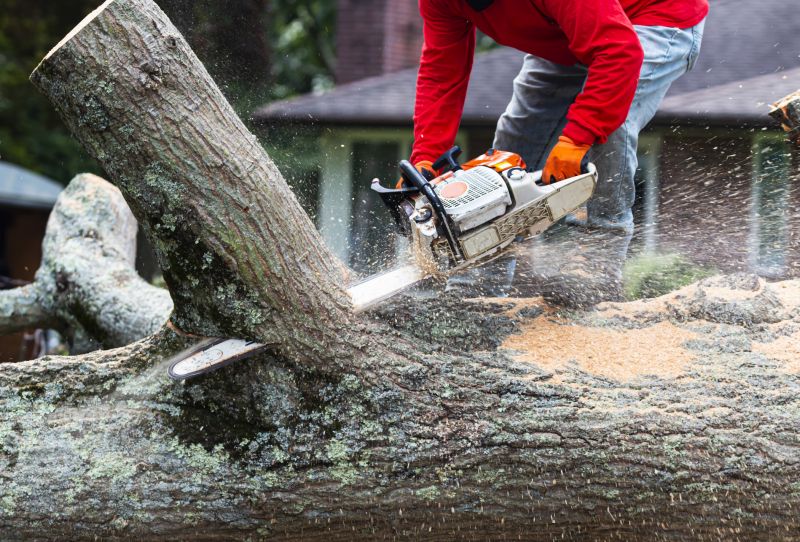
A 60-second routine that keeps Tree Removals looking new.
Individuals interested in scheduling tree removals are encouraged to contact for further information. Proper timing ensures safety and efficiency, making it a crucial consideration for any project involving tree removal.